Chinese AI Lab Moonshot Sought Nvidia Blackwell Access Through European Data Centers
Sources say talks have covered clusters of 8,000 or more chips, months after the White House accused the Kimi maker of reaching the same hardware through Thailand.
Moonshot AI, the Beijing-based maker of the Kimi models, has tried to gain access to Nvidia's most advanced chips through data centers in Europe, four people familiar with the matter told CNBC. The talks this year involved renting capacity from neoclouds that host Nvidia GPUs in the region. Three of the sources said Moonshot wanted Blackwell systems, which US export controls effectively keep out of China. One source said discussions covered clusters of 8,000 or more Blackwell GPUs and described the lab as "very aggressive" in chasing computing power. Two sources said Moonshot wanted the capacity for inference, serving models to users, and one said there was also interest in training.
The approach follows a pattern. In July, the White House said Moonshot had reached Blackwell chips through a facility in Thailand, and one source said the European talks continued after that claim. Renting overseas capacity exploits a gap in the rules: controls limit shipping the chips to China, but current law gives regulators little power over cloud access to chips hosted abroad. The Remote Access Security Act would close that gap. It passed the House in January but has not cleared the Senate. One source said Moonshot was asked to pay 30% to 50% more upfront than a non-Chinese customer, and neoclouds and their financiers see Chinese customers as a way to bank money early in case remote access is banned later.
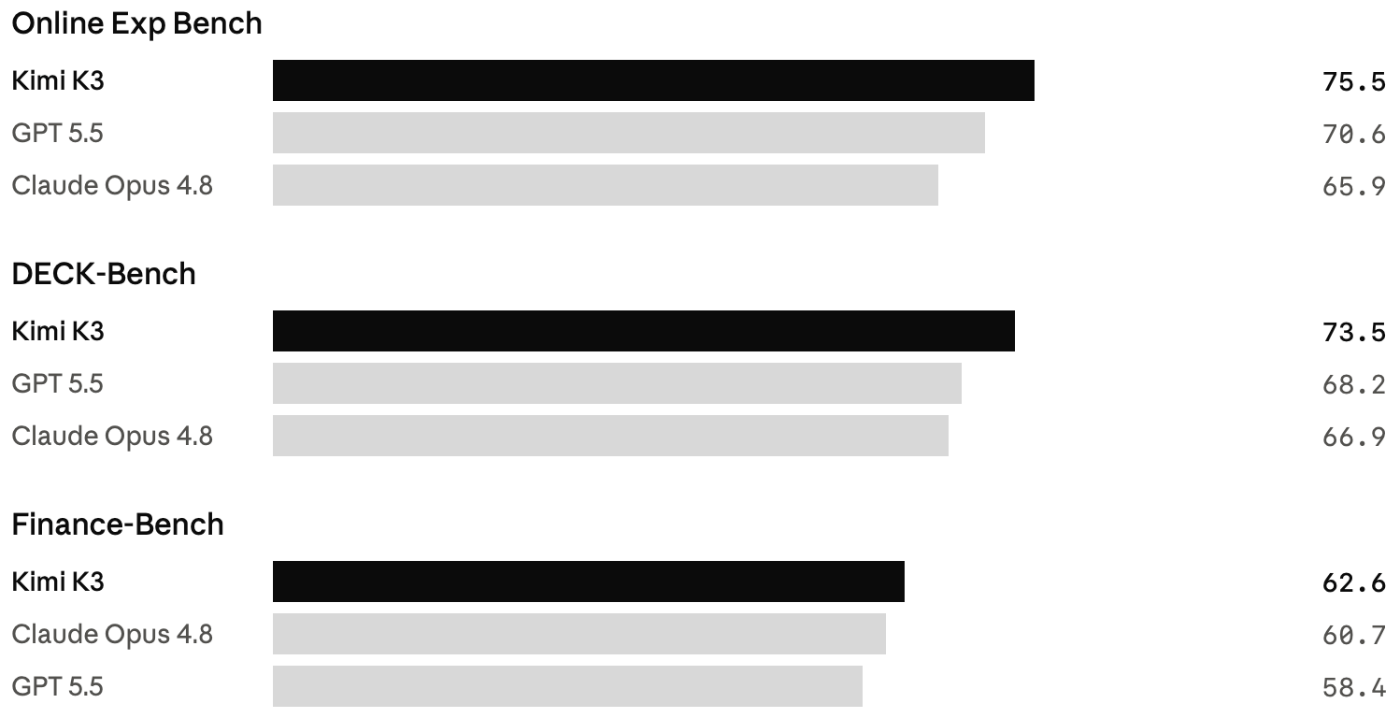
The stakes are rising for US labs. Moonshot released Kimi K3 in July, saying it closed the gap with systems from Anthropic and OpenAI, and demand was strong enough that it briefly paused new subscriptions to protect capacity.
Chinese models have gained ground globally this year on capability and lower prices. The Financial Times reported Tuesday that Nvidia told cloud providers selling access to its chips that they must sell at least 51% of services to non-Chinese customers. An Nvidia spokesperson said America cannot win the AI race unless its infrastructure wins worldwide.
© Raydn · raydn.us